

Pre-Construction Planning: The Quiet Phase That Makes Luxury Homes Work
5.7.26
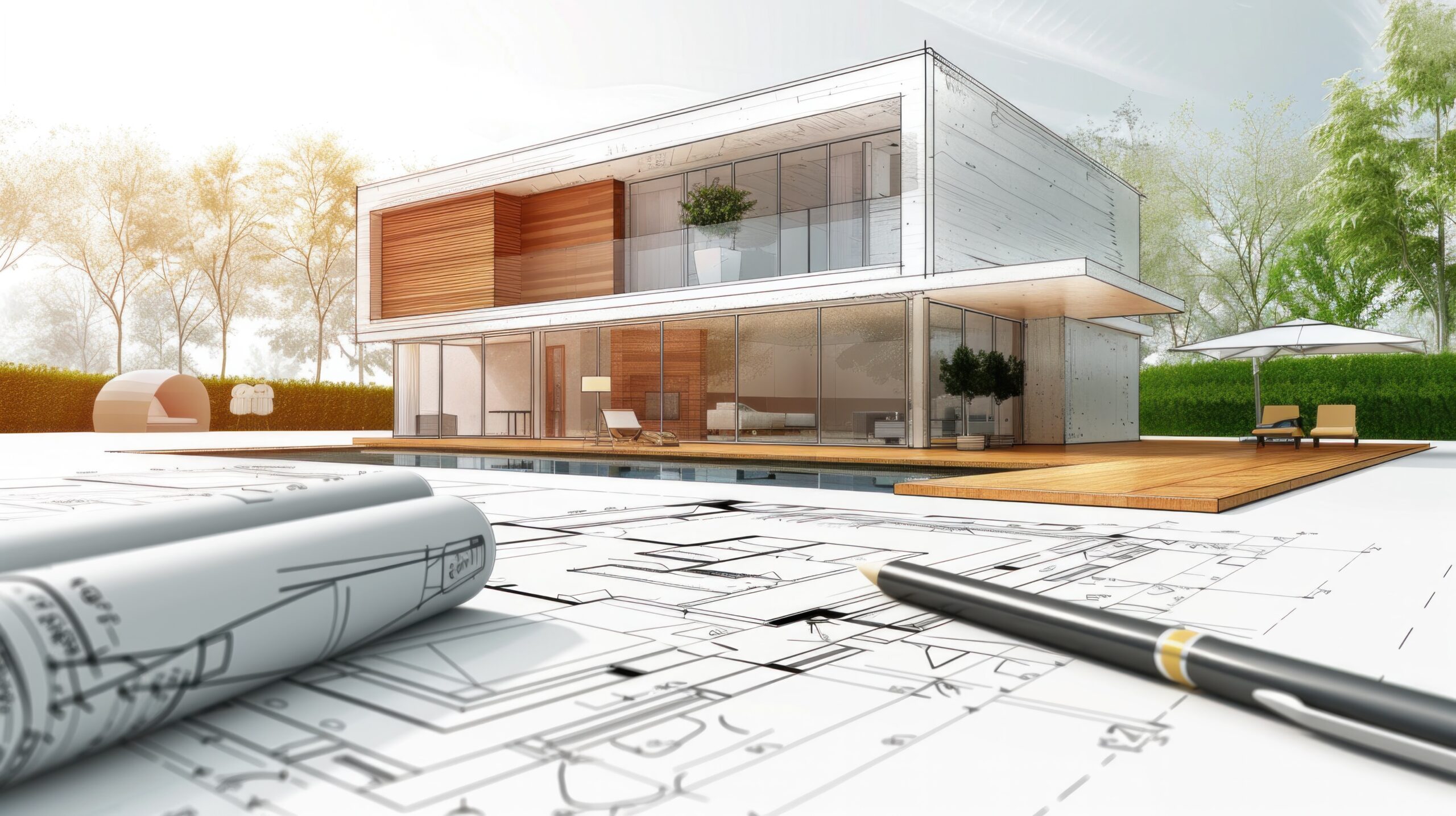
The most expensive mistakes in custom homebuilding don’t happen during framing or finish work — they happen before the first shovel breaks ground. The pre-construction phase is where vision, budget, and execution are aligned; when it’s rushed or skipped, projects run into cost overruns, delays, and avoidable change orders. The Daly Build article frames this phase as the single most important step in luxury builds, and its core message is simple: invest time up front and you protect time, money, and design integrity later. dalybuild.com
What Pre-Construction Actually Covers
Pre-construction is more than an early estimate. It’s a structured program of discovery, technical review, and planning that turns drawings into an executable roadmap that should take between 8 and 12 months, depending on project size. Key elements include:
- Client discovery and lifestyle alignment — documenting how the home will be used so design choices reflect real life.
- Constructability review — analyzing architectural drawings for buildability, code impacts, and sequencing risks.
- Preliminary budgeting using real data — creating realistic budgets from historical costs and current market intel rather than generic rules of thumb.
- Trade communication strategy — defining bid packages and how subcontractors will be engaged.
- Schedule forecasting and long-lead planning — identifying items that require early procurement or special logistics. dalybuild.com
These activities convert design intent into a plan that can be executed with confidence.
Why Early Planning Pays for Luxury Projects
Luxury homes carry unique exposures: custom millwork, integrated systems, tight tolerances, and client expectations for near-perfect outcomes. Early planning reduces risk in three measurable ways:
- Fewer surprises — conflicts are found in drawings or models, not after materials are installed.
- Lower cost of change — resolving a clash in pre-construction costs a fraction of fixing it in the field.
- Faster delivery — proactive scheduling and long-lead procurement shave weeks from the timeline.
Put simply: the time you spend planning is an investment that compounds into fewer delays, fewer change orders, and a cleaner final product.
A Practical Pre-Construction Checklist for Owners
Use this checklist to make sure pre-construction is thorough and actionable:
- Clarify priorities — list must-haves, nice-to-haves, and absolute no-compromises.
- Document daily use — how rooms will be used, occupancy patterns, and special systems (wellness, automation, EV charging).
- Run a constructibility review — have the builder and structural engineer review drawings together.
- Create a realistic budget range — base it on recent projects and current material/labor trends.
- Identify long-lead items — appliances, custom windows, specialty stone, and millwork. Lock decisions or allowances early.
- Define bid package strategy — break the work into logical packages to attract the right trades.
- Set communication cadence — weekly coordination between owner, architect, designer, and builder.
When these items are completed before mobilization, the build moves from reactive to deliberate.
How Construction Management Enhances Pre-Construction
A Construction Management approach — where the builder joins during design and operates in an open-book environment — amplifies the value of pre-construction:
- Real-time cost feedback keeps design decisions grounded in actual pricing.
- Competitive bid packages let you select trades for quality, not just the lowest price.
- Shared models and documentation reduce miscommunication and field rework.
For luxury projects, CM plus rigorous pre-construction is the combination that preserves design intent while protecting budget and schedule.
Start Strong to Finish Right
The Daly Build piece reminds owners that pre-construction is not optional for high-end homes — it’s the foundation of success. Treat the phase as a strategic investment: insist on discovery, demand constructability reviews, and require realistic budgets and long-lead planning. When you start with clarity, the rest of the project follows with confidence.